
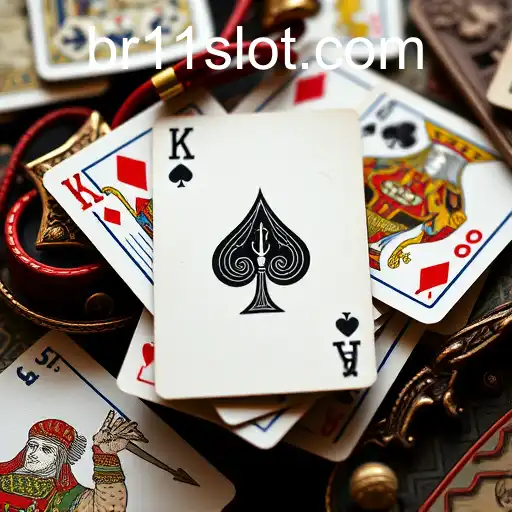
PH11 | The Timeless Appeal of Card Games: From History to Modern Dynamics
PH11’s Explore the profound impact and evolution of card games, from ancient beginnings to modern digital adaptations, examining the balance of strategy, luck, and social engagement inherent in this timeless form of play.
The Intricate World of Card Games: A Dive into the Dynamics
Card games hold a treasured place in the realm of entertainment, serving as a mesmerizing blend of strategy, luck, and mathematics. They captivate the minds of young and old alike, offering a spectrum of complexity and challenge that has enthralled players for centuries. While many card games demand skill and intellect, others are entirely created for pure delight and chance-driven amusement.
Historical Perspectives
The evolution of card games is a splendid tale of adaptation and cultural integration. Originating in Asia, particularly in China, during the Tang dynasty, they gradually spread to India and Persia. By the 14th century, playing cards appeared in Europe, initially shrouded in mystery and regality.
As Europe embraced these games, the narrative of each card's imagery evolved, extending symbolic and regional lore. The venerable tarot deck, for instance, began as tarocchi in Italy, only later morphing into a device for divination.
Modern Dynamics
Today, card games have expanded beyond mere pastimes; they have carved niches in competitive arenas as well. The digital age ushered a new era where card games have taken flight through online platforms, reaching global audiences at a click of a button.
Whether played face-to-face or digitally, the thrill resonates the same. The online sphere has introduced card game variants like Solitaire and Poker to wider audiences, allowing players from disparate parts of the world to engage in competition, collaboration, and community building.
The Spectrum of Strategy
Strategy is the cornerstone of many esteemed card games. Games like Bridge, Hearts, and Spades require a keen analytical mindset, where players must not only memorize card counts and understand suits but also anticipate opponents’ moves, a skill honed over repeated play.
Moreover, card games like Magic: The Gathering and Yu-Gi-Oh have taken strategy to the next level by incorporating fantasy elements. Such games demand that players assemble decks with meticulous thought and foresight, considering the myriad interactions between cards that contribute to victory or defeat.
Blending Luck and Skill
Many card games thrive on a delicate balance between luck and skill. Poker, for example, is as much about having favorable odds as it is about reading opponents and maintaining a formidable demeanor. Similarly, in Blackjack, strategy merges with chance, as players must decide when to draw or hold cards, influenced by their understanding of odds and probabilities.
Social Dynamics
Beyond strategy and luck, card games are revered for their intrinsic ability to foster social connections. They provide a platform for interaction, breaking the ice in gatherings and bonding players in shared experiences. Games like Uno and Phase 10 are perfect examples of games designed with social interaction in mind, creating joyous moments through their simple yet engaging mechanics.
In social card games, the rules are more flexible, often generating laughter and conversation as players navigate unique challenges that sometimes diverge from conventional strategic planning.
The Evolution into E-Sports
Card games have not been left out of the burgeoning e-sports movement. Online platforms have allowed games like Hearthstone to be broadcast to millions, turning strategic card play into spectator entertainment. These platforms often host globally accessible tournaments, showcasing the immense skill required to compete at the highest levels.
Educational Perspectives
Besides entertainment, card games serve educational purposes too. They encourage the development of cognitive skills and enhance mathematical abilities and memory retention. Games like Set or Mille Bornes teach logical reasoning and quick thinking in a fun and engaging manner.
Additionally, card games often include themes and narratives that spark curiosity and foster learning. For example, historically themed games can include trivia and factual content that enrich players' historical knowledge.
Conclusion
In summary, card games are not merely games of chance or skill; they are a significant social construct that bridges diverse cultures and generations. Whether played for competition, education, or casual enjoyment, they remain an intrinsic part of human interaction and entertainment, constantly reinvented to fit the times. As a constantly evolving and dynamic form of recreation, card games offer something for everyone, from complex puzzles to simple amusements.
